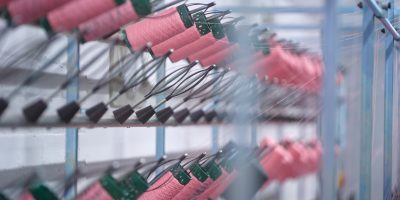
The textile production industry, like many other sectors, is levelling up in the name of sustainability. Here at Linton Tweeds, we are already embodying our own set of ‘green’ values, and we’re going to get clear on exactly what being a more sustainable tweed mill looks like for us - as well as outlining why it’s so important to take this stance.
Tweed & Sustainability: Textile Makers With Green Commitments
Sustainability is a hot topic at the moment, and we're already embodying these values within our tweed mill. Find out more about how Linton Tweeds is committing to greener fabric production.


Why does sustainability matter in garment production?
The challenge of sustainability is not exclusive to the tweed production industry - in fact, it’s something that the entire fashion manufacturing industry is having to rise and adapt to. The amount of waste that comes from fashion production as a whole is around 92 million tonnes per year - and society is almost encouraging consumers to contribute towards this figure, rather than help to tackle and reduce it, specifically through the rise of fast fashion.
Fast fashion
Online influencers have made fast fashion seem desirable; when really, these impulsive, often low-quality and unethically made goods are only adding to the textile waste produced by manufacturers. The negative impact of this type of relentless ‘purchase, wear, and bin’ cycle increases the amount of waste sent to landfill, or dumped in other countries.
Greenwashing
Conversely, some manufacturers are painting themselves as being on the ‘green’ side, when the reality is their processes and products do not match up with sustainability standards. This action, referred to as ‘greenwashing’ makes consumers feel like they are shopping consciously - when in reality, they aren’t.
Slow fashion
Slow fashion is the opposite of fast fashion - and it’s where we can see active progress in reducing the impact that fast fashion is having on the environment. Slow fashion doesn’t involve the kind of trend-led, consumption of clothing and overproduction - it revolves around higher-quality pieces, created with certified sustainable fabrics.

What we are doing to be a more sustainable textile producer
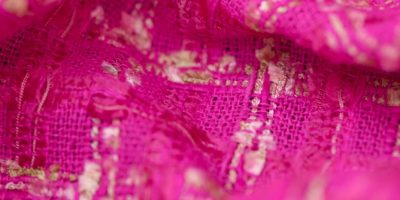
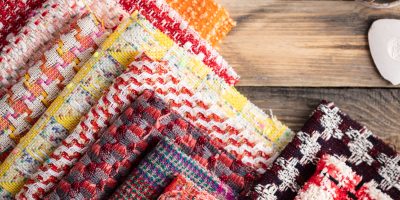
As a Tweed manufacturer we produce our tweed collections, two years ahead, meticulously sourcing yarns and developing unique woven patterns with colour palettes dyed in house and sampled on our small CCI rapier loom saving on efficiency. We do not follow any ‘trends’ we have a vast archive we utilise and develop our unique Linton Tweeds style. We have influence from our global agents in specifics to their clients requirements usually considering tweed weight and fibre content.
GOTS certified tweed
Linton Tweed uses Global Organic Textile Standard (GOTS) fabrics - in order to have this status, products have to be made from organically grown cotton, created without synthetic fertilisers or harmful pesticides. This requirement is carried all along the production line, so dyes, yarns, and all of the processing stages involved in fabric creation have to adhere to this ‘no nasties’ rule. This even applies to the cleaning solution that is used on the looms, before and after every change in tweed quality.
We test our dye house annually, and it is certified with Ecocart group for GOTS standardised chemical dyes, our dye pots are fitted with adaptive controllers permitting variable loading which has made a large reduction in water usage, chemicals,dyes, steam and power.. The mill has its own borehole licensed through the environment agency which is sampled twice a year and our water is tested monthly for Effluent to ensure we remain within the parameters. We also use heavy metal free oils when we service our looms, yarn twisting machines and finishing machines.
Like many other production industries, textile manufacturers have not always adopted sustainable practices - but we are now able to look back and see just how much ‘greener’ we really are.

Making use of recycled yarns
We use a significant amount of eco & recycled fibre yarns to produce many of the fabrics you’ll find in our full tweed collection, and this is becoming more widely available from yarn suppliers as the demand in industry grows. Our mill is also getting savvier at re=purposing pieces of yarn that are occasionally over-produced - instead of discarding excess we now weave these into bespoke qualities for both our wholesale and website customers. Any of end of line fabrics are utilised into popular craft pack products. We’re proud to be a step ahead in this regard, and it’s one of the biggest contributors to our new, ‘greener’ production footprint.
Giving fabric samples and leftover yarn back to new crafters
When we do have spare fabric samples, or leftover yarn, we make a conscious effort to reach out to art departments within schools and universities, giving them pieces to experiment with. In this way, we’re also able to play a key role in inspiring more crafters to start using tweed in their works.
Specifically, we also utilise waste woven edging known as ‘selvedge edge’ - fabric with a tightly woven, self-finished edge to prevent it from fraying or unraveling. When we are weaving a length of tweed, we cut the fringed edge from the loom, giving it to local makers who can put it to use in their own tweed crafting projects such a hand weaving and rug tufting.

Recycling packaging materials
Good, sustainable production values also need to be reflected by making the right packaging choices, without jeopardising the quality of the product once the customer has received it. Our reel packaging is locally sourced and made from 100% recycled material and the inner cardboard tube we use to roll the tweed is 100% recycled material and 100% recyclable. Being more sustainable can be rooted in actions as simple as this.
Making use of alternative energy sources
As testament to just how much attention we’ve paid to our own carbon footprint, we installed solar panels onto the factory roof in May 2023. We now generate 17,752.60 kWh of energy per year, lessening the mill's dependence on non-renewable energy sources.

Long-term sustainability: how we’re shaping the future
We’re proud to already have this clear stance on sustainability, and we’re confident that we will continue to innovate and find ways and practices to make our tweed mill even ‘greener’. In the meantime, consider slow fashion and longevity by opting to make your own tweed garment, take a look at our community for some inspiration from other makers, and explore all of our responsibly produced tweed fabrics online now.